
April 7, 2026
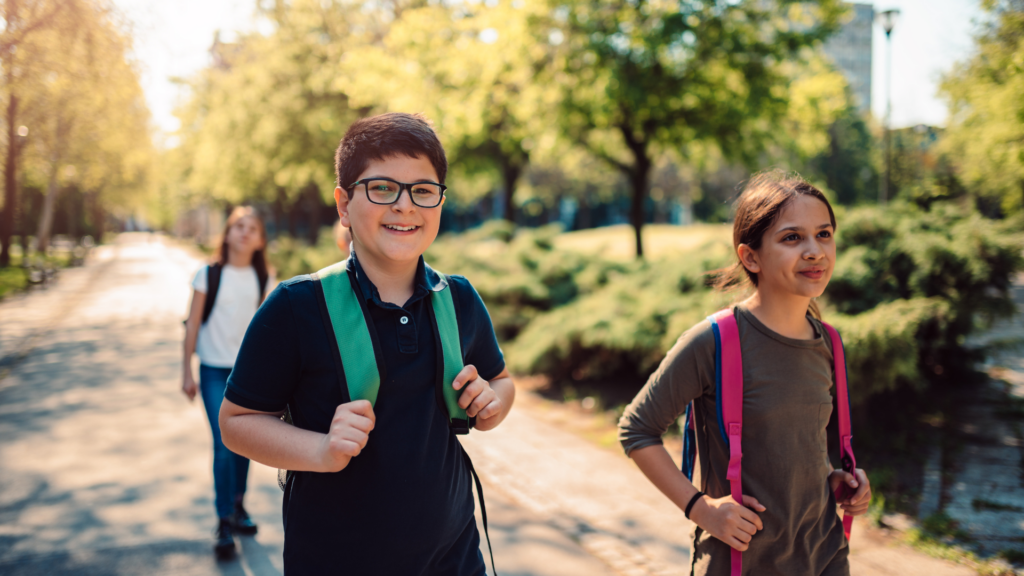
Every child has the right to learn and grow in school, regardless of where they were born or how they came to this country.
In the late 1970s, school officials in Tyler, Texas told some immigrant families that their children could attend public school only if the family paid tuition they could not afford. That lawsuit became Plyler v. Doe, the 1982 Supreme Court decision affirming a fundamental principle: public schools cannot shut their doors to children or price them out of the classroom because of immigration status.
Education is education and it’s the right of every human being.
Forty years later, that principle is under threat.
A proposed bill in Tennessee would require schools to collect and report students’ immigration status and allow districts to charge tuition to undocumented children. Other states are considering similar legislation.
If enacted, these laws would inevitably lead to families choosing not to enroll their children in school because of the fear of involvement with immigration officials or the inability to afford tuition.
These efforts are also gaining traction at the federal level, including a recent hearing held by the House Judiciary Subcommittee on the Constitution and Limited Government that questioned whether Plyler was correctly decided.
Overturning or weakening Plyler would not only deny children an education, it would cut them off from one of the few institutions that offers safety, routine, and a pathway to opportunity.
Children’s Rights will continue to track these developments and oppose proposals that limit access to education, a core safeguard for children and communities.
We must all work together to ensure that children are not pushed out of school because of immigration status or family income. Public schools should be welcoming, supportive places where all children can learn and thrive.
Get Breaking News, Broken Down
Want more explainers like this? Join the policy explainer series.